




























Many students use IXL Learning every week for classwork, homework, and practice, but growing criticism has raised questions about whether the platform’s data actually reflects student growth. Teachers and schools rely on IXL scores and analytics to measure student progress, yet critics argue that the system focuses more on numbers than genuine understanding of the topic. As technology in education expands every year, debates over the effectiveness, accuracy, and privacy of such programs among students and educators continue to grow.
One major criticism of IXL is the repetitive structure of its assignments. According to The Economist, Ms.Esping, a teacher from McPherson Middle School in Kansas, found that students described IXL as “repetitive and boring.” In other words, during IXL activities, instead of students learning new topics and challenging themselves, students are forced to repeat skills which they may have already mastered, which may not be the fault of the program but rather the instructor’s over-reliance on IXL as a tool to reinforce skills. This coincides with the common belief of many critics that the platform encourages students to focus more on reaching goals and getting to a 100 than actually understanding concepts. While repetition can strengthen certain skills, excessive repetition leads to decreased motivation and thus engagement.
The adaptive nature of IXL is meant to offer the student a chance to master a skill but students can become quickly frustrated after losing points for small mistakes and consequently being set back; in response, students become discouraged and start worrying more about score rather than actually learning and applying skills from the question.
Students who become tired or make small mistakes may lose significant progress, while others may improve scores simply through memorizing patterns through repetitions. Memorizing patterns does not mean a student has a deep understanding of the concept, instead students should understand the concept and apply it elsewhere rather than look for repeating themes in IXL’s algorithm and use those to help answer a question since a better understanding of the topic is the key to mastering a concept. In classrooms where IXL data is used to evaluate student performance, the lack of diversity in IXL questions lead critics to question whether the platform can accurately represent a student’s academic performance. As a result, studies that analyze the effectiveness of IXL such as that by The Economist have grown in numbers, and the results all share a common result. That is that IXL does not accurately or efficiently show a student’s progress, which helps bring light to how ed tech in schools is not as beneficial as previously thought.
Concerns surrounding student privacy have also increased criticism of IXL Learning and similar technological educational programs. Reports involving educational software security risks conducted by MarketBrief have shown that the personal information of up to 15 million children, ranging from pre-kindergarten through 12th grade, may have been exposed through cyber attacks. These concerns raised new questions about how technology in school can also affect the privacy of students. As schools continue to rely heavily on ed tech, many families have questions about how student information is collected, stored and protected.
The growing dependence on online educational platforms has made data security a larger issue in schools across the country. Students who use ed tech in schools such as IXL Learning are required to register under the company and even share private information such as their age and contact information. Critics argue that programs collecting large amounts of student data should be held to high security standards, especially when children are involved. Weak enforcement leads to data breaches similar to those for IXL, leading to data regarding children being leaked online for anyone to see. The privacy risk tied to the growing use of ed tech in schools across the country raises concerns that IXL may be not only ineffective, but also harmful to student safety.
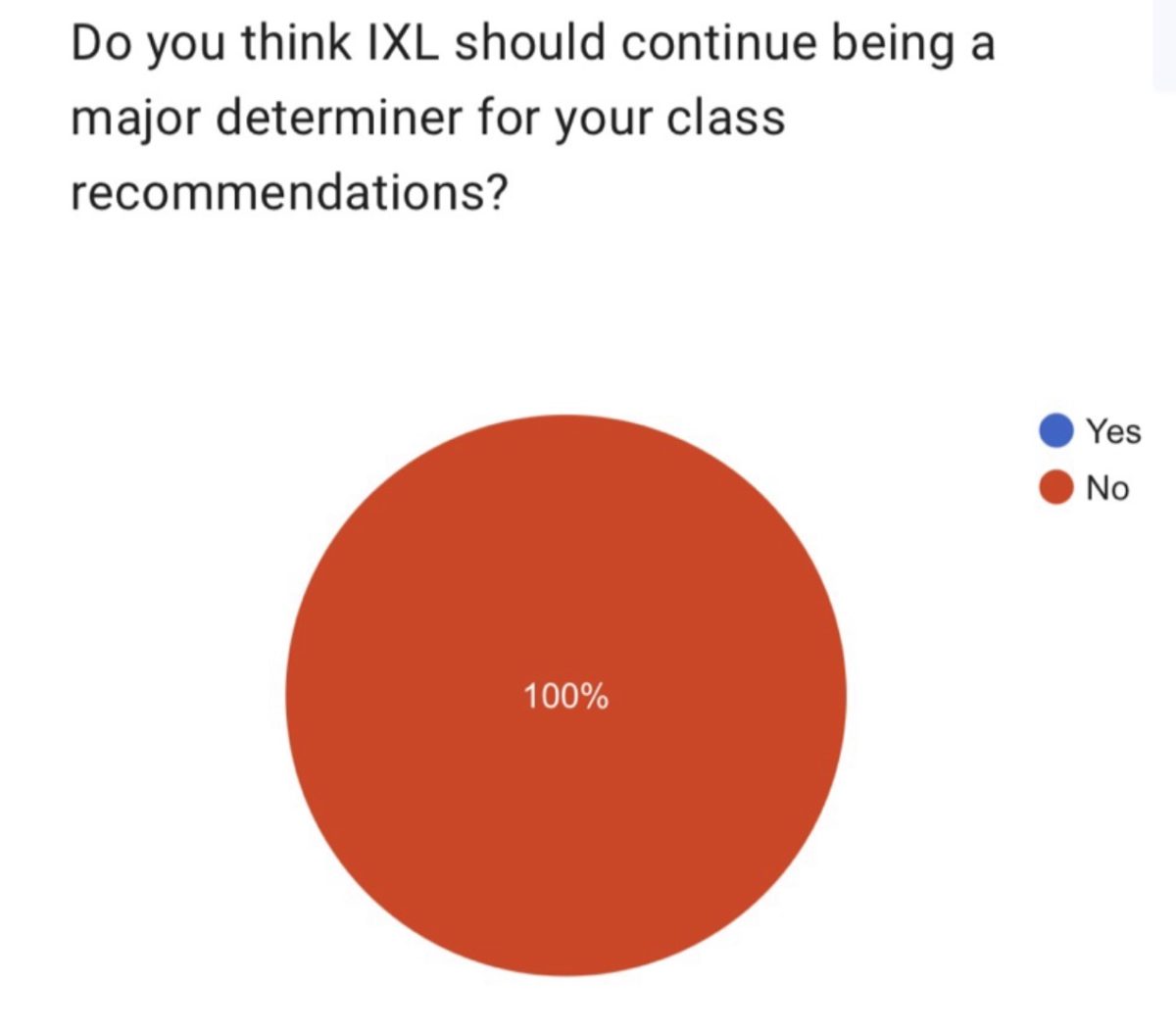
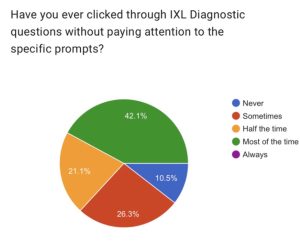
Survey results collected from students at Medway High School reflected many of these concerns. Around 82 percent of surveyed students said they do not believe IXL is useful in determining class recommendations. While nearly 99.9 percent said the program should not continue being a major factor in recommendation decisions. Since recommendations can impact future classes and academic opportunities, many students questioned whether the platform’s scores accurately represent ability.
