



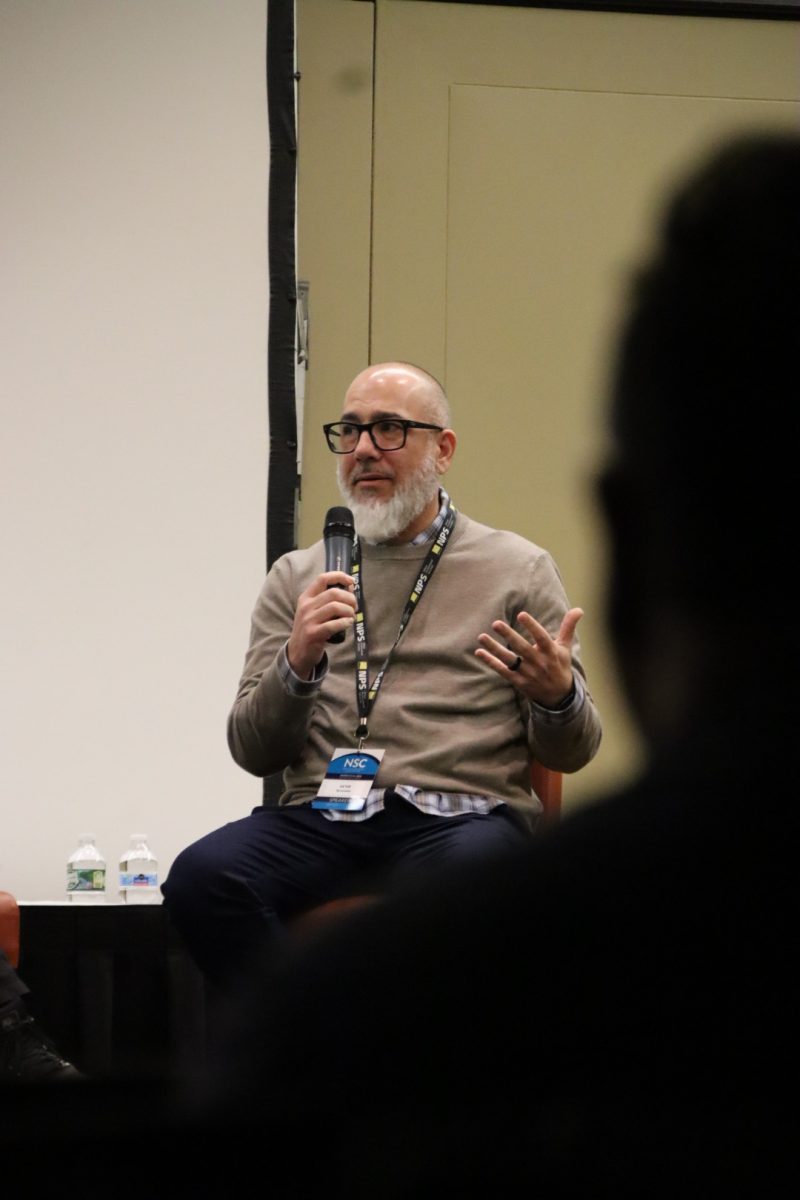












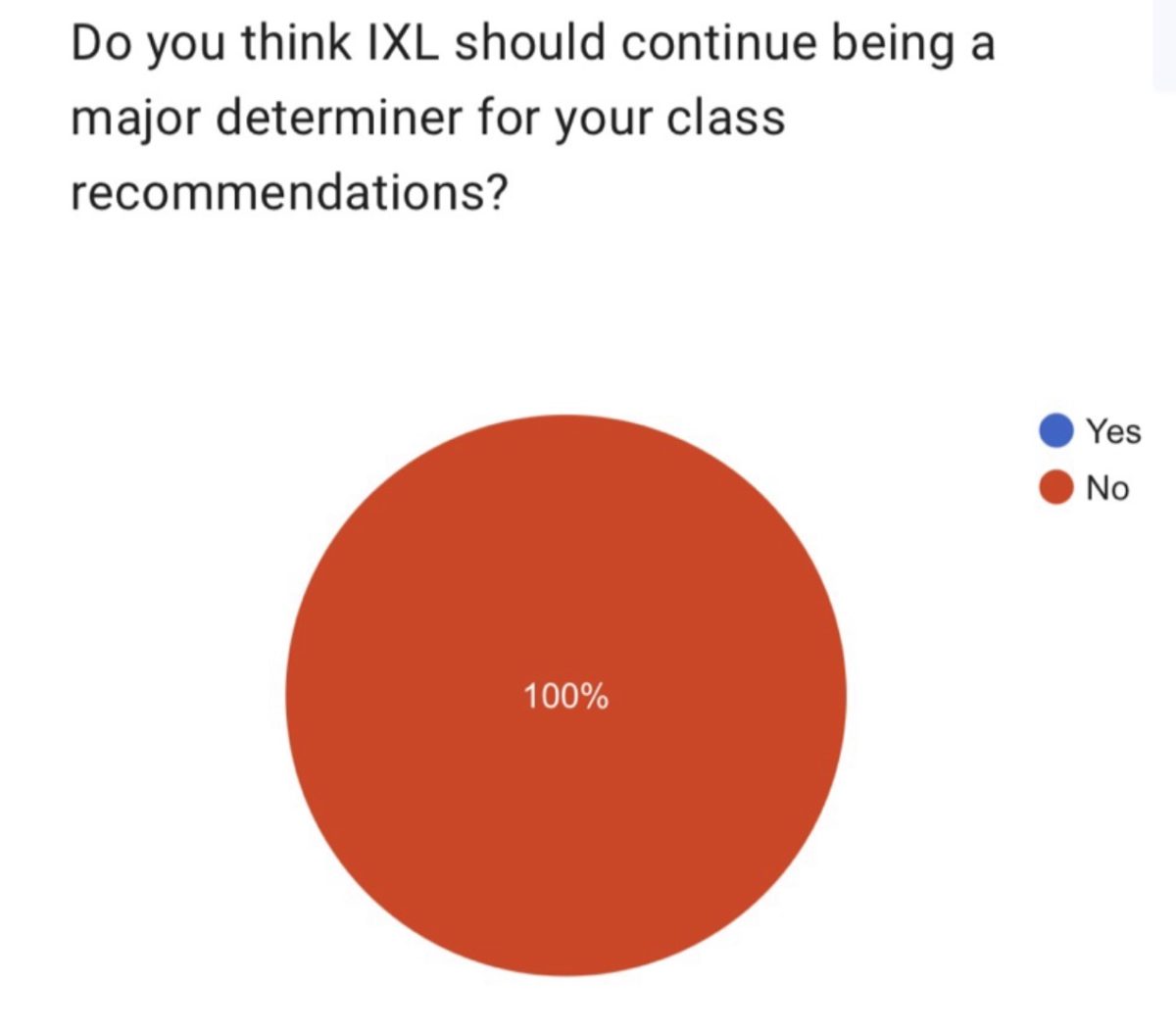













The Financial Literacy Fair at MHS happens annually, having happened on May 15 this year. It is an event running on a half day every May. On this day, 9th and 10th grade do both IXL diagnostics along with other surveys and activities, while 11th and 12th graders attend the fair.
I argue that as a 16 year old, who will soon have a license and is about to be on payroll at my first job, why should I be taking an English and Math diagnostic instead of learning financial literacy skills? I am about to have to deal with things like car insurance, gas, and managing my earnings. Schools should make financial literacy more widely available for all students and not wait to introduce us to these ideas as upperclassmen.
When I get my first paycheck, I will need to know how to properly use it. Isn’t that why we have a fin lit fair at this school? Yet as a 16 year old, the school doesn’t deem it important that I should learn about how to properly handle my money, and would instead rather have me take tests that don’t accurately portray my skills.
This sentiment is shared amongst many in this school. Adam Hurley says, “I’m not fully confident in my financial skills and feel that going to the fin lit fair is important because waiting until next year is very late in my education to learn that stuff. I want to be prepared as early and thoroughly as possible for my life.” Adam has a job and does very well in school. Tests and diagnostics have their place but we also need skills that apply to our actual lives.
Students should be learning how to manage his money now before it’s too late. According to the New Jersey State Library, it is important to learn financial literacy skills early in life before bad money habits form. They also say that learning financial literacy skills (like budgeting for example) creates a level of discipline that lessens the odds of people falling into debt because they lived too large.
The current way that the school treats financial literacy education allows for underclassmen to develop bad habits that will set us up for failure in the future.
The Austin Telco Federal Credit Union says that early financial education for students will help them to better deal with the debt they will most likely incur from credit cards, student loans, and more. Knowing money management often outright reduces debt and the time it takes to pay off. They mention that knowing how to save for the future and starting early sets up opportunities to build wealth and to better achieve goals such as homeownership. Additionally, learning financial literacy young can help protect from scams and from the many common ways that banks, companies, and credit card companies try to screw you over.
The Massachusetts state government has put forward plans to replace the MCAS graduation requirement that was voted out last year. In these plans, all students will be required to learn financial literacy. While there isn’t any further details on this besides just the requirement’s existence within the proposed plans, this shows the true importance of financial literacy. Our state wants to make it a graduation requirement yet Medway High School doesn’t want to let 9th and 10th graders learn it.
The school offers resources like the fin lit fair for a reason, so why should the lower classmen not be allowed to utilize them? By the time they let us go to the fin lit fair in 11th grade, most of us will have already been working and earning money for a while. At that point bad spending habits will have probably already been rooted in most of us. It’s like you need to hammer in a nail now, but the hammer is locked behind a door with a timer that unlocks in a year. Without the nail being hammered in, the house might fall apart. The hammer is there, but it can’t be used. Busywork and tests of limited value don’t help you and in fact prevent you from building the house which will help you.
